How to Identify Common Causes of Ear Pain and Discomfort – Expert Tips From An Ear Specialist

How to Identify Common Causes of Ear Pain and Discomfort – Expert Tips From An Ear Specialist
Many people experience ear pain and discomfort at some point in their lives. The causes of this pain can range from minor, temporary conditions like allergies to more serious, chronic conditions like infections.
In some cases, the pain may even be a sign of a more serious condition like cancer.
If you’re experiencing ear pain and discomfort, it’s important to see a doctor so they can properly diagnose the cause and recommend the best course of treatment.
However, there are also some things you can do on your own to try to identify the cause of your ear pain.
Here are some tips from an ear specialist on how to identify common causes of ear pain and discomfort.
Common Causes of Ear Pain
Allergies
Allergies are a common cause of ear pain and discomfort. If you have allergies, you may experience symptoms like itchy eyes, a runny nose, sneezing, and congestion. You may also experience ear pain, pressure, or fullness.
Allergies can be caused by pollen, dust mites, animal dander, mold, or other environmental factors. If you think your ear pain may be caused by allergies, try taking an over-the-counter antihistamine or using a neti pot to rinse your sinuses with saline solution.
Infection
Another common cause of ear pain is an infection. Ear infections can be caused by bacteria or viruses and can occur in the outer ear canal (otitis externa), the middle ear (otitis media), or the inner ear (labyrinthitis).
Symptoms of an ear infection include fever, drainage from the ear, difficulty hearing, and increased pain when lying down or pulling on the affected ear. If you think you have an ear infection, it’s important to see a doctor so they can prescribe antibiotics or other medication to treat the infection.
Earwax Build-up
Earwax build-up is another potential cause of ear pain. Earwax is produced by glands in the skin of the outer ear canal and helps protect the ears from dirt, dust, and other potential hazards.

However, sometimes too much wax can build up in the ears and become hard or impacted.
This can cause symptoms like itching, ringing in the ears (tinnitus), coughing, feeling like there’s something stuck in your ear (fullness), or diminished hearing in the affected ear.
If you think you have impacted wax in your ears, do not attempt to remove it yourself with cotton swabs or other objects as this could damage your eardrum or push the wax further into your ear canal.
Instead, see a doctor so they can safely remove the wax using suction or irrigation.
Swimmer's Ear
Swimmer’s ear is another possible cause of ear pain, especially if you have been swimming recently or have water trapped in your ears after showering.
Swimmer’s ear (otitis externa) is an infection of the outer ear canal that occurs when water stays in the canal for too long and bacteria start to grow. Symptoms include itching inside the ear canal, redness or swelling around the outside of the earlobe, drainage from the affected Ear, painful swallowing, and fever.
If you think you might have a swimmer’s eye, see a doctor so they can prescribe antibiotics to clear up the infection. In the meantime, you can try using over-the-counter eardrops containing acetic acid or Burow’s solution to help relieve symptoms.
TMJ Disorders
TMJ disorders are another potential cause of intermittent or constant Ear Pain. TMJ stands for the temporomandibular joint.
The joint connects your lower jawbone to your skull. TMJ disorders can be caused by teeth grinding (bruxism), arthritis, clenching your teeth, trauma to the head or neck area, or stress.
Symptoms include jaw pain or tenderness when chewing, clicking or popping noises when opening your mouth widely, headaches Or neck aches that get worse when you move your jaw and dizziness.

If you think you may have a TMJ disorder see a dentist or doctor so they can perform an examination and recommend treatment options such as physical therapy exercises or splints that can be worn at night to prevent teeth grinding.
Sinus Infections
Sinus infections are another possible cause of ear pain and discomfort. Sinus infections occur when the sinuses, the air-filled cavities around your nos,e become inflamed due to a virus, bacterial infection, or allergy.
Symptoms include facial pressure or pain That Gets worse when you bend over, a reduced sense of smell or taste, nasal congestion, postnasal drip, watery eyes, and fatigue.
If you think you may have a sinus infection, see a doctor so they can prescribe antibiotics to clear up the infection.
In the meantime, you can try using over-the-counter decongestants or nasal sprays as well as placing a warm compress on your forehead or cheek for 15 minutes at a time to help relieve symptoms.
Meniere's Disease
Meniere’s disease is another potential cause of ear pain that may also lead to hearing loss and tinnitus (ringing In The Ears )
Meniere’s disease is an inner ear disorder that’s thought to be caused by abnormal fluid levels in the inner ear.
Meniere’s disease typically only affects one ear and develops gradually over time. Vertigo episodes, which cause the sensation that one is spinning, can last anywhere from several hours to days, followed by a period of recovery in between episodes.

Other symptoms include nausea and vomiting, hearing loss,s tinnitus and fullness or pressure in the affected ear. If you think you may have Meniere’s disease, see an ENT specialist so they can evaluate your symptoms and rule out other potential causes.
Cancer
Cancer can also cause ear pain, but it is a relatively rare cancer that affects the ears and is most often found in the outer or middle parts of the earlobe or outer canal. It can also occur in other parts of the body that affect hearing, such as brain tumours.
Symptoms of cancer that affect the ears include ear pain, tinnitus, dizziness, headache, numbness, weakness, incoordination, difficulty speaking, changes in vision, memory loss, fatigue, sleep problems, personality changes, mood swings, vertigo, balance problems, double vision, paralysis, seizures, slurred speech, dilated pupils, and unequal pupils.
Conclusion
There are many different causes of ear pain and discomfort. If you’re experiencing ear pain, it’s important to see a doctor to get a proper diagnosis so that you can get treatment if necessary.
In the meantime, use these 10 tips from an expert to help identify potential causes of your ear pain or discomfort so that you can get some relief soon!
Your First Visit to an ENT Clinic in Singapore: What to Expect from Check-In to Diagnosis

Visiting an ENT Doctor in : Step-by-Step from Check-In to Diagnosis
Your first visit to a medical specialist can feel a bit daunting – especially when it involves your ears, nose, or throat. Is it going to hurt? Will you need a scope? How long will it take?
If you’re planning your first visit to an ENT clinic, this guide will walk you through what typically happens – from check-in at the front desk to walking out with a diagnosis and treatment plan. Knowing what to expect can make that first appointment calmer, clearer, and a lot less intimidating.
We’ll also highlight how an ENT doctor usually approaches common problems like blocked nose, sinus issues, ear pain, and throat discomfort, so you know what’s “normal” in the process.
What Does an ENT Specialist in Singapore Actually Do?
ENT stands for Ear, Nose, and Throat, and an ENT specialist (also known as an otorhinolaryngologist) focuses on conditions affecting:
- Ears – hearing loss, ear infections, ringing in the ears (tinnitus), dizziness/vertigo
- Nose & Sinuses – blocked nose, sinusitis, allergies, nasal polyps, snoring
- Throat – sore throat, tonsillitis, voice problems, swallowing difficulties
- Head & Neck – neck lumps, thyroid issues, salivary gland problems, some sleep disorders
So whether you’re constantly congested, struggling with chronic sore throats, feeling dizzy, or worried about a neck lump, an ENT clinic is where you’re likely to be referred.
Step 1: Booking Your Appointment at an ENT Clinic
Before you even step into the clinic, a few things usually happen:
Referral or Self-Referral
You might be:
- Referred by your GP or family doctor, or
- Choosing to visit an ENT clinic directly, especially at a private practice
If it’s your first time, it’s helpful to bring along any:
- Previous medical reports
- Scan results (X-ray, CT, MRI if available)
- Medication lists
- Allergy information
These details help your ENT doctor get a clearer picture of your overall health.
Insurance & Panel Information
If you’re using:
- Company insurance
- Integrated Shield plans
- Other health insurance
check whether the clinic or ENT specialist is on the panel. The clinic staff usually guide you on:
- What is claimable
- Whether you’ll need a GP referral letter
Any co-payment or deposit required
Step 2: Check-In and Registration at the Clinic
When you arrive at the ENT clinic, you’ll typically:
- Register at the reception
- Provide your identification (e.g. NRIC/FIN/passport)
- Share your referral letter (if you have one)
- Confirm your contact details and insurance information
- Provide your identification (e.g. NRIC/FIN/passport)
- Fill in basic medical forms, which may include:
- Current symptoms (ear pain, blocked nose, sore throat, dizziness, etc.)
- How long you’ve had the problem
- Past medical history (e.g. asthma, heart disease, diabetes)
- Any previous surgeries or hospitalisations
- Current medications and known allergies
- Current symptoms (ear pain, blocked nose, sore throat, dizziness, etc.)
This might feel repetitive, but it ensures your ENT doctor has accurate, up-to-date information before seeing you.
Step 3: Meeting Your ENT Doctor – The Initial Conversation
Once your name is called, you’ll be brought into the consultation room. The first part of this visit is usually a detailed conversation, not a procedure.
Your ENT specialist will typically ask:
- What brought you in today?
- “My nose has been blocked for months.”
- “I’ve had recurrent sore throats.”
- “I can’t hear well on my right side.”
- “My nose has been blocked for months.”
- How long have your symptoms been going on?
- Are they getting better, worse, or staying the same?
- Have you tried any treatments? (e.g. antibiotics, nasal sprays, home remedies)
- Do your symptoms affect sleep, work, or daily life?
They may also ask about:
- Snoring or breathing pauses at night
- Allergies (dust, pollen, pets, food)
- Family history of ENT issues
- Smoking and alcohol habits
The more honest and detailed you are, the easier it is for your otolaryngologist to pinpoint what’s going on.

Step 4: The ENT Physical Examination – What Actually Happens
After talking, your ENT specialist will perform a targeted physical examination. This usually includes:
Ear Examination
- Using an otoscope (a small lighted instrument) to look into your ears
- Checking for:
- Earwax blockage
- Infection or fluid behind the eardrum
- Eardrum perforation or other abnormalities
- Earwax blockage
If hearing issues are your main concern, you may later be referred for a hearing test (audiometry), either on the same day or at a follow-up appointment.
Nose & Sinus Examination
Your ENT doctor will usually:
- Look inside your nose with a light or small instrument
- Check for:
- Swollen nasal lining
- Deviated septum
- Nasal polyps
- Signs of infection or allergy
- Swollen nasal lining
They’ll also gently press over your sinus areas to see if there is tenderness.
Throat & Neck Examination
The doctor may:
- Ask you to open your mouth wide and say “ahh”
- Examine your tonsils, tongue, and back of the throat
- Feel your neck for any enlarged lymph nodes or lumps
This part is generally quick and not painful, though a gag reflex can occasionally be triggered when looking at the throat.
Step 5: Special ENT Procedures – Scopes and Tests
Depending on your symptoms, your ENT specialist may perform some in-clinic procedures during this first visit.
Flexible Nasoendoscopy (Often Called a “Scope”)
This is a very common ENT procedure and sounds scarier than it is.
What it involves:
- A thin, flexible tube with a camera is passed gently through your nose to look at:
- Nasal passages
- Sinuses openings
- Back of the nose
- Throat and voice box (larynx)
- Nasal passages
What you can expect:
- The nose is usually sprayed with a local anaesthetic and sometimes a decongestant.
- You may feel a cool or slightly bitter taste at the back of your throat.
- The scope passes through quite quickly; you might feel a strange sensation, but it should not be painful.
- The entire process typically lasts only a few minutes.
Your ENT doctor may even show you live images on a screen and explain what they are seeing – this can be very reassuring and educational.
Hearing and Balance Tests
If your main concern is:
- Hearing loss
- Ringing in the ears (tinnitus)
- Dizziness or vertigo
you may be sent for additional tests such as:
- Audiometry – a hearing test in a soundproof booth
- Tympanometry – to assess middle ear function
- Special balance tests, if needed
These are usually painless and help your ENT specialist tailor the right treatment.
Allergy Tests or Imaging
Not always done on the first visit, but your doctor may discuss:
- Allergy testing (if sinus issues or nasal allergies are suspected)
- Imaging such as X-ray, CT, or MRI scans for complex sinus, ear, or neck problems
These are usually arranged separately and not performed inside the consultation room itself.

Step 6: Diagnosis – Putting the Pieces Together
By this stage, your ENT specialist has:
- Taken your history
- Examined your ears, nose, and throat
- Perhaps performed a scope or other tests
They will now:
- Explain what they think is causing your symptoms
- E.g. chronic sinusitis, allergic rhinitis, tonsillitis, ear infection, deviated septum, vocal cord strain, etc.
- E.g. chronic sinusitis, allergic rhinitis, tonsillitis, ear infection, deviated septum, vocal cord strain, etc.
- Describe the severity of the condition
- Discuss whether there are any red flags or concerns that need urgent attention
This is a good time to ask questions such as:
- Is this condition temporary or long-term?
- What are the treatment options?
- Are there lifestyle or environmental factors I should change (e.g. air-conditioning, smoking, allergens)?
Step 7: Treatment Plan – From Medication to Possible Surgery
Your treatment plan will depend on your diagnosis. In many cases, treatment at an ENT clinic starts conservatively.
Common Non-Surgical Treatments
- Medications
- Antibiotics (for certain infections)
- Nasal sprays (steroid or saline)
- Anti-histamines (for allergies)
- Ear drops
- Pain relief / anti-inflammatory medication
- Antibiotics (for certain infections)
- Lifestyle & Home Care Advice
- Steam inhalation or nasal rinses (if appropriate)
- Voice rest and hydration (for voice issues)
- Sleep position, weight management, or allergy avoidance (for snoring or sinus issues)
- Steam inhalation or nasal rinses (if appropriate)
Your doctor may suggest a trial of treatment and a follow-up visit to review your response.
When Surgery Is Considered
Not every patient who sees an ENT doctor needs surgery. But in some conditions, surgery may offer better long-term outcomes, especially when conservative treatments haven’t helped enough.
You might hear about surgery if you have:
- Persistent nasal obstruction due to a deviated septum or nasal polyps
- Chronic or recurrent tonsillitis, tonsil stones, or sleep-related breathing problems
- Sinus disease that has not responded to medication
- Certain ear problems or eardrum issues
If surgery is discussed, your ENT specialist will explain:
- The goals and benefits of the operation
- Possible risks and complications
- Where and how the procedure is performed (day surgery vs short hospital stay)
Expected recovery time and time off work or school
Step 8: Follow-Up – What Happens After Your First Visit
Your first visit is rarely the end of the story. Most patients will:
- Receive prescriptions and written instructions
- Be given a date for follow-up to monitor progress
- Be advised when to return sooner (e.g. if symptoms worsen, new symptoms appear, or medication side effects occur)
For ongoing or chronic issues like allergic rhinitis, sinusitis, or hearing loss, your relationship with your ENT clinic may be long-term, with periodic reviews and adjustments to your treatment plan.
How to Prepare for a Smooth First ENT Visit
To get the most out of your first appointment with an ENT specialist, you can:
- List your symptoms beforehand – when they started, what triggers or worsens them, what makes them better
- Note any medications or supplements you’re taking
- Bring previous medical reports, scan results, or blood tests if you have them
- Write down your top 3 concerns or questions, so you don’t forget them during the consultation
If it’s your child seeing the ENT doctor, it can also help to:
- Bring a favourite toy or book
- Explain in simple terms what will happen (“The doctor will look at your ears and throat with a light”)
- Reassure them that you’ll be with them the whole time
Choosing the Right ENT Clinic in Singapore for You
There are many ENT clinics across public hospitals, restructured hospitals, and private practices. When choosing where to go, consider:
- Location and accessibility – Is it convenient for you or your child?
- Appointment availability – How quickly can you get seen?
- Subspecialty interests – Some ENT specialists focus more on:
- Paediatric ENT (children)
- Nose and sinus surgery
- Voice and swallowing
- Ear and hearing disorders
- Sleep and snoring issues
- Paediatric ENT (children)
Reading the clinic’s website or calling ahead can help you find an ENT doctor whose expertise aligns with your main concern.
Final Thoughts: From Anxiety to Assurance
Your first visit to an ENT clinic doesn’t have to be stressful or mysterious. In most cases, it’s a clear, structured journey:
- Check-in and registration
- A detailed conversation about your symptoms
- A thorough ear, nose, and throat examination
- Simple in-clinic procedures or tests, if needed
- A clear diagnosis and explanation
- A tailored treatment plan – with or without surgery
- Follow-up to ensure you’re improving
Whether you’re struggling with a blocked nose, ear fullness, recurrent sore throats, or unexplained dizziness, an ENT specialist is trained to piece together the puzzle and guide you towards relief.
The most important step is simply this: show up and ask. Once you walk through the clinic door, you’re no longer dealing with your symptoms alone – you have a specialist on your side, from check-in through to diagnosis and beyond.
How Lifestyle Factors Affect Your Hearing Health and When to See an Audiologist

How Lifestyle Choices Influence Hearing Health and When to Visit an Audiologist
Hearing is something many of us take for granted until problems begin to appear. It plays a vital role in how we connect with others, enjoy our environment, and maintain independence. While ageing and genetics have an undeniable impact, the way we live our daily lives can strongly influence the long-term health of our ears.
By understanding which habits support hearing and which ones place it at risk, you can take control of your auditory health. With the right lifestyle choices and timely visits to a specialist, it is possible to preserve your hearing for many years to come.
Key Lifestyle Factors Affecting Hearing
Noise Exposure
Noise is one of the most common and preventable causes of hearing loss. Regular exposure to high sound levels, whether from construction sites, concerts, or headphones, can gradually damage the delicate hair cells in the inner ear. Once these cells are harmed, they do not regenerate, leading to permanent hearing difficulties.
Practical steps include:
- Using earplugs at concerts or noisy workplaces
- Keeping personal listening devices at safe volumes
- Allowing your ears rest periods after loud exposure
Diet and Nutrition
What you eat influences not only your weight and heart but also the health of your ears. Research shows that nutrients such as omega-3 fatty acids, zinc, magnesium, potassium, and vitamins A, C, and E are linked with supporting auditory function. These nutrients help maintain blood flow to the inner ear and may protect cells from damage.
Including foods such as oily fish, legumes, bananas, broccoli, and whole grains provides a strong foundation for general wellbeing. While nutrition alone cannot guarantee protection from hearing loss, a balanced diet ensures your auditory system has the resources it needs to function at its best.
Cardiovascular Health
Good circulation is essential for every part of the body, including the ears. The inner ear relies on tiny blood vessels to supply oxygen and nutrients. If your cardiovascular system is compromised, your hearing may be affected as a result.
Exercise such as brisk walking, cycling, or swimming supports healthy circulation and reduces the risk of high blood pressure, which has been linked to hearing problems. Making physical activity part of your routine benefits both your ears and overall vitality.
Smoking and Alcohol
Smoking introduces harmful chemicals into the body that impair the structures responsible for processing sound. It has also been linked to an increased risk of tinnitus.
Alcohol, especially when consumed heavily, can affect the clarity of hearing and make it harder to follow conversations in noisy settings. While some of these effects may be temporary, studies suggest that repeated or long-term excessive use increases the likelihood of lasting hearing problems. Moderating these habits or avoiding them altogether can help protect your auditory system.
Medication and General Health
Certain medicines, known as ototoxic drugs, can affect hearing and balance. These may include some antibiotics, chemotherapy agents, and high-dose pain relievers. While often necessary, their potential side effects should not be overlooked.
Managing chronic conditions such as diabetes or hypertension is also important, as poorly controlled health issues can indirectly damage auditory pathways. Caring for your body holistically supports the resilience of your hearing.
Recognising the Warning Signs
Difficulty Following Conversations
One of the earliest indicators of hearing decline is struggling to keep up with conversations, particularly in noisy settings. You may find yourself asking people to repeat themselves or feeling drained after social interactions.
Tinnitus and Persistent Sounds
Ringing, buzzing, or hissing in the ears is a signal that your hearing may be under strain. Tinnitus should never be dismissed, especially if it occurs frequently or disrupts concentration and sleep.
Changes in Listening Habits
Turning up the volume on the television or radio more often than before, or having family comment on how loud it is, can indicate changes in hearing sensitivity.
Sudden or Unexplained Loss
A sudden drop in hearing in one or both ears should be treated as urgent. Prompt treatment by an ear specialist gives the best chance of improvement, though not all cases can be reversed. Early intervention remains critical to preserving any remaining function.
When to See an Audiologist
Situations Requiring Professional Assessment
You should consider booking an appointment if you experience:
- Persistent difficulty hearing conversations
- Sudden changes in hearing ability
- Ongoing tinnitus or ringing in the ears
- Trouble understanding speech in noisy settings
Importance of Early Intervention
An audiologist can identify subtle changes you may not notice yourself. With tailored advice and professional assessments, interventions can be made before hearing loss significantly affects your daily life. Regular monitoring is especially useful if you have a family history of hearing problems.
Routine Hearing Checks
Even without obvious symptoms, periodic assessments are wise. Just as we visit optometrists for our eyes or dentists for our teeth, ears also deserve professional care. A trusted audiologist clinic ensures that your hearing health is monitored and preserved over time.
If you live in Southeast Asia, booking a consultation at a reputable hearing clinic in Singapore offers convenience and access to expert care. An experienced audiologist in Singapore can provide detailed assessments and practical solutions suited to individual needs.
Proactive Steps for Long-Term Hearing Health
Looking after your ears is not complicated, but it requires consistency. Protect your ears from loud noise, eat a balanced diet, and stay active. Avoid habits such as smoking and heavy alcohol use, which place unnecessary strain on your auditory system.
Scheduling routine hearing tests should be part of your overall health plan. An audiologist can help identify risks early and recommend strategies to maintain strong hearing. Combining professional care with healthy lifestyle habits ensures you safeguard one of your most valuable senses.
Conclusion
Your hearing is influenced by many factors, and while you cannot change your genetics, your daily choices make a significant difference. By paying attention to noise exposure, nutrition, cardiovascular health, and lifestyle habits, you take active steps to support your auditory system.
Knowing when to seek professional advice is equally important. Whether you notice changes in your hearing or simply want peace of mind, consulting an audiologist provides reassurance and guidance. With the right support and healthy routines, you can continue to enjoy the sounds that enrich your life for years to come.
Why Annual Visits to an Audiologist Are Essential for Long-Term Ear Health
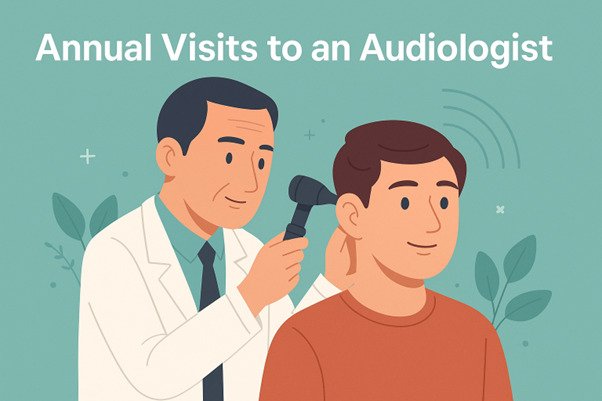
Why Annual Visits to an Audiologist Are Essential for Healthy Hearing and Long-Term Ear Care
Hearing is one of our most valuable senses, yet it is often taken for granted. Unlike changes in eyesight or dental health, hearing loss tends to creep up quietly over time. Many people delay seeking help until communication becomes noticeably difficult or frustration starts to affect their relationships. By then, valuable opportunities for early intervention may already have been missed.
An annual visit to a qualified hearing specialist is more than just a routine check-up. It is a way of safeguarding long-term ear health, protecting balance, and even monitoring wider aspects of wellbeing. Just as you would book yearly dental or eye examinations, hearing deserves the same level of priority.
This article explains why annual visits matter, what they involve, and how they contribute to both ear and overall health.
Why Annual Audiology Visits Matter
Hearing changes are often gradual. A person might adjust by turning up the television or asking others to repeat themselves, without realising that their hearing is declining.
Annual checks are vital because they:
- Detect small changes in hearing before they become significant.
- Allow timely treatment to reduce the risk of further deterioration.
- Establish a clear baseline, making it easier to track changes year on year.
By taking this preventative approach, individuals avoid the consequences of untreated hearing loss such as strained conversations, social withdrawal, and loss of confidence.
Links Between Hearing and General Health
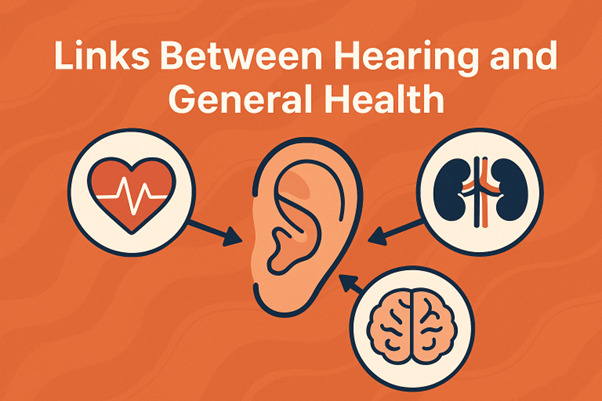
Hearing is closely connected to overall health, and issues with the ears may signal wider medical conditions.
For example:
- Diabetes has been shown to double the risk of hearing loss.
- Cardiovascular disease can reduce blood flow to the inner ear, leading to auditory damage.
- High blood pressure and sleep apnoea have both been linked to a higher likelihood of hearing problems.
An audiology assessment may therefore uncover more than changes in hearing. In some cases, it can prompt individuals to seek further medical advice, helping with the early identification of serious conditions.
Supporting Hearing Aid Users
For people who use hearing aids, annual reviews are especially important. Hearing is not static, and a fitting that worked perfectly a year ago may no longer meet current needs.
During follow-up care, devices are fine-tuned to ensure they provide the clearest and most comfortable experience possible. Small adjustments often make a major difference in everyday listening.
Hearing aids are also subject to wear and tear. Exposure to earwax, moisture, and dust can interfere with performance. Regular maintenance at a hearing clinic helps prevent technical issues, extends the lifespan of devices, and ensures users continue to benefit fully from their investment.
Safeguarding Balance and Cognitive Function
The inner ear is responsible for more than hearing. It plays a central role in balance, which is particularly important as people age. Annual visits help identify issues that could increase the risk of dizziness or falls, both of which can have serious consequences for older adults.
There is also growing evidence linking untreated hearing loss with a higher risk of cognitive decline. When the brain works harder to make sense of unclear sounds, it has fewer resources for memory and concentration. Over time, this strain may contribute to faster rates of decline, especially in those already at risk of dementia.
It is important to be clear: not everyone with untreated hearing loss will develop cognitive impairment. However, research consistently shows that hearing loss increases the likelihood of such conditions. Annual visits therefore provide an opportunity to manage hearing early, reducing that risk and supporting long-term brain function.
What to Expect from an Annual Appointment
Many people are unsure of what a hearing test involves, yet the process is straightforward, painless, and highly informative.
A typical appointment may include:
- Medical and lifestyle discussion to understand hearing concerns.
- Visual examination of the ear canal and eardrum to check for wax, infection, or injury.
- Comprehensive hearing test measuring response to different pitches and volumes.
- Clear explanation of results, with tailored advice on treatment, prevention, or monitoring.
For patients with existing hearing aids, the appointment may also include cleaning, performance checks, and reprogramming where necessary.
How Often Should You Book a Hearing Check?
While annual appointments are widely recommended, the frequency can vary depending on age, lifestyle, and risk factors. Adults under 50 with no noticeable hearing problems may be advised to test every two to three years. However, yearly visits are strongly encouraged for older adults, those with existing hearing loss, or individuals with higher health risks such as diabetes or cardiovascular disease.
Framing annual visits as a preventative measure rather than a strict rule allows each person to receive care that is appropriate to their circumstances. The key point is not to wait until hearing problems become obvious before seeking professional advice.
Conclusion
Hearing is essential to communication, safety, and independence, yet it is often overlooked until problems become unavoidable. Making annual audiology visits a regular part of healthcare ensures that hearing changes are detected early, balance is protected, and cognitive health is supported.
Whether visiting a hearing clinic for the first time or attending for an annual review, these appointments provide reassurance, guidance, and practical solutions. They are not just for those with noticeable hearing problems but for anyone who values long-term wellbeing.
For families and individuals alike, prioritising ear health is an investment in quality of life. By consulting a trusted audiologist, people can maintain sharp hearing and prevent future complications. If you are based in Asia, choosing a reliable audiologist in Singapore located or visiting a professional hearing clinic nearby ensures access to the right expertise and care.